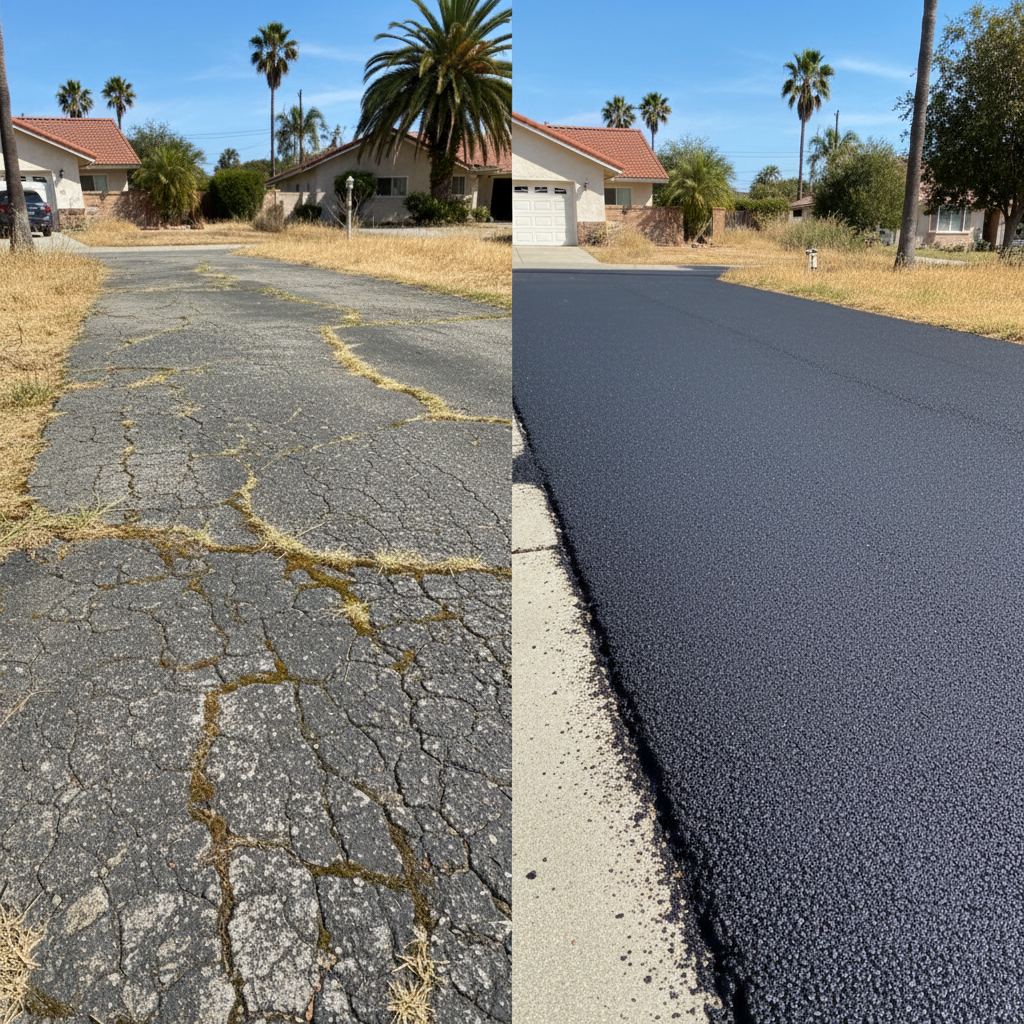
So, you've got a pothole. Or maybe a nasty crack that's getting worse with every car that drives over it. It's an eyesore, sure, but more importantly, it's a tripping hazard and it's letting water get under your asphalt, which is a recipe for bigger problems down the road. When it comes to fixing these spots, homeowners usually look at two main options: hot mix asphalt or cold patch asphalt. Let's talk about what each one means for your Inglewood driveway.
Hot Mix Asphalt: The Professional's Choice
Hot mix asphalt, often called HMA, is what we use for full-scale paving jobs. It's made by heating asphalt cement and aggregates (like stone, sand, and gravel) to really high temperatures, usually around 300-350 degrees Fahrenheit. This hot, gooey mix is then transported to the site and laid down while it's still hot. Once it cools, it hardens into a super durable, seamless surface.
The Good Stuff About Hot Mix
- Durability: This is the big one. Hot mix creates a permanent repair. It bonds incredibly well with the existing asphalt, making a patch that's just as strong, if not stronger, than the surrounding pavement. You won't be patching the same spot again next year.
- Appearance: When done right, a hot mix patch blends in beautifully. It's the same material, the same texture, and it cures to the same color as your existing asphalt. You'll barely notice it's there.
- Longevity: A properly installed hot mix patch can last for years, often as long as the rest of your driveway.
The Not-So-Good Stuff
- Cost: It's more expensive, no two ways about it. You need specialized equipment to heat, transport, and compact it. This usually means hiring a professional like us at Inglewood Asphalt Construction.
- Availability: Hot mix is only produced at asphalt plants, and they don't just whip up a small batch for one pothole. It's usually ordered in larger quantities, and it needs to be applied quickly before it cools. This makes it impractical for small DIY jobs.
- Weather Dependent: You really need dry, warmer weather for hot mix to be installed correctly. Trying to put it down in the rain or when it's too cold is just asking for trouble.
Cold Patch Asphalt: The Quick Fix
Cold patch, or cold mix, is a different beast entirely. It's essentially a blend of aggregate and a cutback asphalt or emulsified asphalt binder that remains pliable at ambient temperatures. You can buy it in bags or buckets at your local hardware store, and you don't need to heat it up.
The Good Stuff About Cold Patch
- DIY Friendly: This is where cold patch shines. You can buy a bag, shovel it into the hole, tamp it down with a shovel or your car tire, and you're done. No special equipment needed.
- Immediate Solution: It's great for emergency repairs. If you've got a dangerous pothole and you need it fixed *now*, cold patch can get the job done quickly.
- Cost (Upfront): A bag of cold patch is cheap compared to hiring a crew for hot mix.
- Works in Most Weather: You can often apply cold patch in less-than-ideal conditions, even when it's a bit damp or cold, though it won't perform as well.
The Not-So-Good Stuff
- Durability: This is the biggest drawback. Cold patch is rarely a permanent solution. It tends to degrade over time, especially with heavy traffic or our Inglewood sun beating down on it. It can crack, crumble, or get pushed out of the hole, especially if water gets underneath it.
- Appearance: It rarely matches the existing asphalt perfectly. You'll often see a noticeable patch that can look a bit rough. It also tends to settle and can create an uneven surface.
- Longevity: You'll likely be patching the same spot again within a year or two, sometimes even sooner. It's more of a temporary bandage than a cure.
- Cost (Long-Term): Because you'll be reapplying it frequently, the long-term cost can actually add up to more than a single hot mix repair.
My Recommendation for Your Inglewood Driveway
Look, if you've got a small, shallow crack and you just need to keep water out for a little while, a good quality cold patch can work as a temporary fix. It's fine for a quick DIY job to prevent something from getting worse until you can do it right.
But if you're looking for a lasting repair, especially for potholes or larger areas, hot mix asphalt is the clear winner. It's more durable, looks better, and you won't have to worry about it again for a long time. For most homeowners in areas like the Morningside Park neighborhood, where driveways see daily use and you want things to look good, investing in a professional hot mix repair is the smart move.
You might pay more upfront for hot mix, but you're paying for quality, longevity, and peace of mind. You won't be out there with another bag of cold patch every few months. When you're ready for a real fix that lasts, give us a call. We're here to help.