Can I use commercial-grade asphalt for my residential driveway? Is it overkill?
You absolutely can, and for some folks, it’s not overkill at all. See, commercial asphalt is built to handle heavier loads and way more traffic than your typical residential mix. Picture delivery trucks, service vehicles, even small commercial vehicles if you're running a business from home. If your driveway stretches a long way, or if heavy vehicles are constantly on your property, a commercial-grade mix can give you a much longer life and fewer maintenance headaches down the road. It’s thicker, denser, and just plain tougher. We've certainly seen plenty of residential driveways in places like Morningside Park that get a ton of sun and heavy use, and a commercial mix really holds up better there.
What's the real difference between commercial and residential asphalt mixes?
The main difference boils down to the size of the aggregate and the binder content. Residential asphalt usually uses smaller aggregates—you know, the stones and sand—and often a slightly different asphalt binder ratio. It's really designed for lighter loads and less traffic. Commercial mixes, though, use bigger aggregates. These interlock better, giving you a stronger, more stable pavement. They also tend to have more asphalt cement, which makes them more flexible and resistant to cracking under heavy stress. It’s kind of like comparing a compact car to a heavy-duty pickup truck; both get you around, but one is clearly built for much tougher work.
How much more expensive is commercial asphalt compared to residential for a home project?
That's a good question, and honestly, it’s not always a simple answer. Generally speaking, yes, commercial asphalt will cost you more per square foot. You're paying for those higher-quality materials, that denser mix, and sometimes even the specialized equipment needed to lay it right. However, you really need to think long-term. If a residential driveway needs big repairs or a full replacement in 10-15 years, but a commercial-grade one lasts 20-25 years with minimal fuss, you might actually save money over time. It’s an investment, plain and simple. We'll always give you a clear breakdown of costs for both options so you can weigh the upfront expense against the long-term durability. Don't just look at the sticker price, okay? Think about the total cost of ownership.
Will commercial asphalt look different or out of place on my residential property?
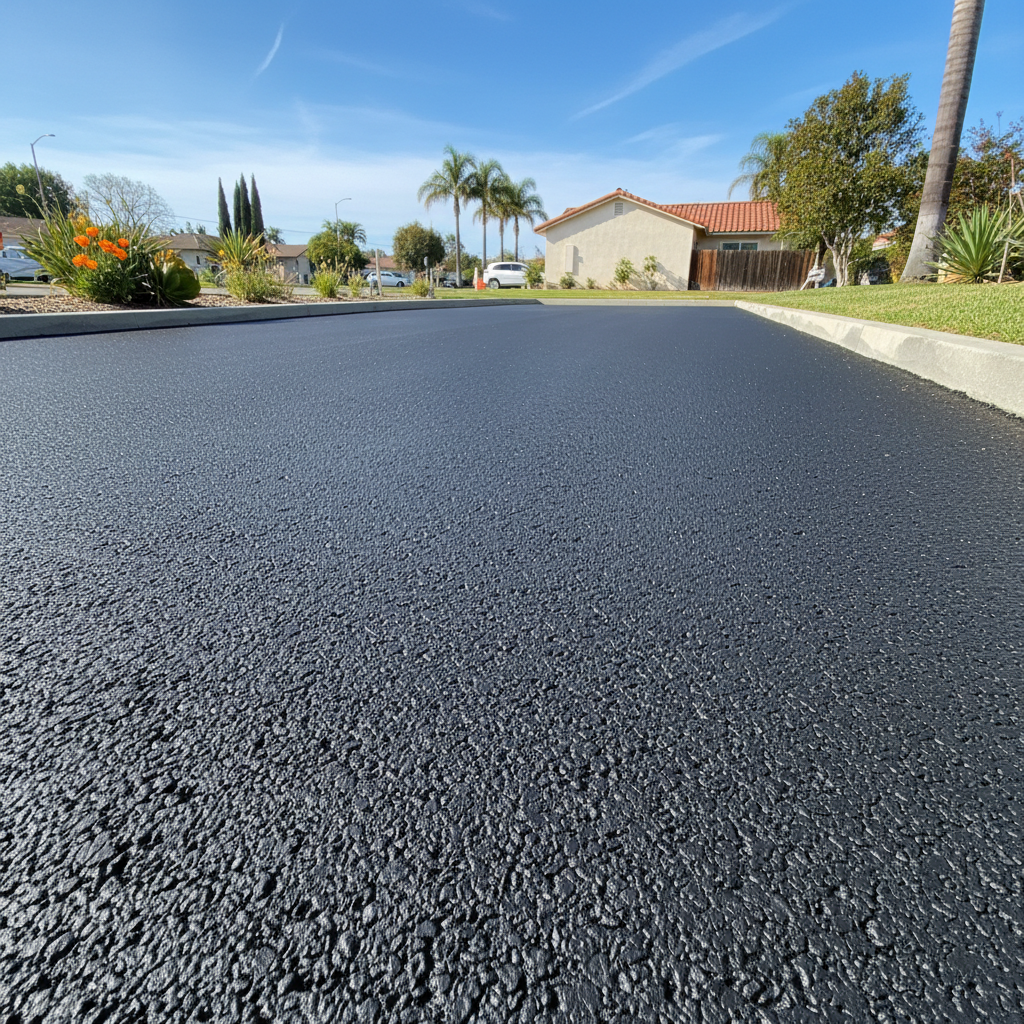
Not really, no. When it's brand new, all asphalt pretty much looks the same—black and smooth. The visual difference isn't on the surface; it's in the structural integrity underneath. What might make it look 'commercial' is if someone installs it poorly or if the edges aren't finished cleanly. But a professional job by a company like Inglewood Asphalt Construction will guarantee a smooth, clean finish that blends perfectly with your home's look. You won't end up with a big, ugly parking lot in front of your house; you'll just have a really tough driveway.
What kind of sub-base preparation is needed for commercial-grade asphalt on a residential driveway? Is it more involved?
Yes, it usually is more involved, and it's absolutely crucial. A strong sub-base forms the foundation of any good pavement, especially when you're using commercial-grade asphalt. You're putting down a heavier, more rigid surface, so the ground underneath has to be able to support it without shifting or settling. This often means a thicker layer of compacted aggregate base material—sometimes 6-8 inches or even more, depending on what your soil is like. Here in Inglewood, we've got some areas with expansive clay soils, which means proper compaction and drainage become even more critical. We'll always assess your specific site, but expect a thorough excavation and compaction process to ensure that robust sub-base is in place.
How long does commercial asphalt take to cure, and when can I drive on it?
The initial cure time for commercial asphalt is pretty similar to residential—you can usually drive on it lightly within 24-48 hours. But that's just for light traffic. The asphalt keeps hardening and compacting over the next 6-12 months, especially when the weather's warmer. For the first week or so, you'll want to avoid heavy turning or sudden stops on the new surface, particularly if it's hot outside. That's when it's most likely to scuff or rut. We'll give you specific instructions tailored to your project and the weather conditions when we finish up, but generally, give it a few days for light vehicles and be mindful for the first few months.
What are the best ways to maintain a commercial asphalt driveway at home?
Maintaining a commercial-grade asphalt driveway isn't all that different from a residential one, but because it's tougher, you might find you don't have to do it as often. Here's what I always tell folks:
- Keep it clean: Sweep off dirt, leaves, and other debris regularly. Don't let oil or gas spills just sit there; clean them up quickly to prevent damage.
- Sealcoat: Even commercial asphalt benefits from sealcoating every 2-3 years. It protects against UV rays, water getting in, and chemical spills, significantly extending its life.
- Address cracks early: If you spot small cracks, fill them. Don't let them turn into potholes. Water is asphalt's biggest enemy, and cracks are just an open invitation for it.
- Mind heavy loads: While it's built for heavy stuff, try not to park really heavy vehicles in the exact same spot day after day, especially in hot weather. Spread the load around if you can.
- Proper drainage: Make sure water drains right off your driveway and doesn't pool anywhere. Good drainage is absolutely key to asphalt longevity.
Stick to these basics, and your commercial-grade asphalt driveway will serve you well for decades.