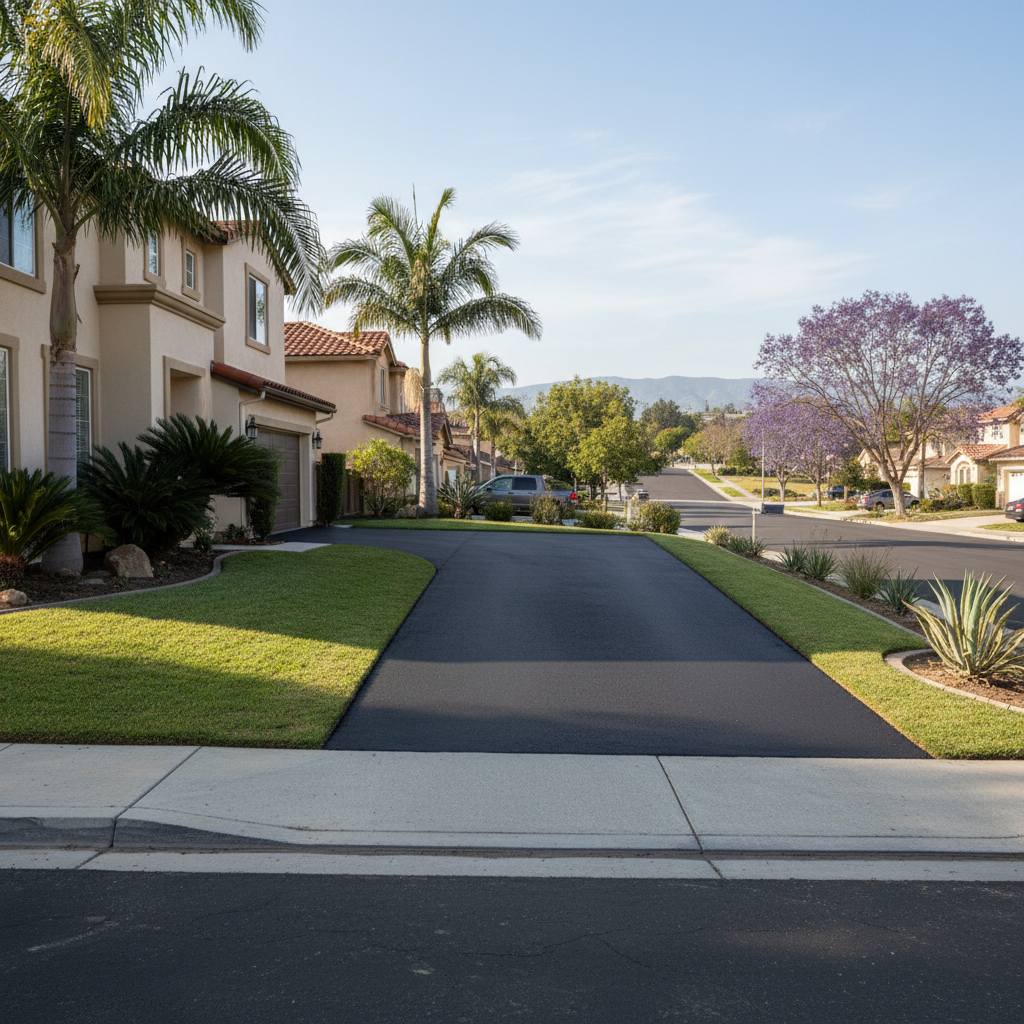
Alright, let's talk about asphalt paving projects here in Inglewood. I've been doing this for a long time, and I've seen folks make the same mistakes over and over again. It's not just about getting a good price; it's about getting a good job that actually lasts. You really don't want to regret your paving project a year down the line, especially with our hot California sun beating down.
Mistake #1: Not Getting Enough Bids (or the RIGHT Bids)
This one's a classic. You grab one or two quotes, and think you're all set. But are you really comparing apples to apples? Often, homeowners just ask for a 'new driveway' without much detail. Then, surprise! You get wildly different prices because contractors are quoting completely different scopes of work. One guy might plan to just lay a thin layer over your existing, cracked asphalt, while another is quoting a full tear-out and proper sub-base prep. You absolutely need to know what you're asking for and what you're actually getting.
Here's what I tell people: get at least three bids. More importantly, make sure each contractor quotes the exact same detailed scope of work. Ask them to break down everything they'll do: excavation, sub-base material and its depth, asphalt thickness, compaction, how they'll handle drainage, and any necessary repairs to existing structures like curbs or sidewalks. If they can't or won't give you that kind of detail, well, that's a red flag right there.
Mistake #2: Ignoring the Sub-Base
This is probably the biggest mistake I see, and it's almost always invisible until it's too late. Your asphalt surface is only as good as the foundation underneath it. We've got pretty stable soil here in Inglewood, especially in areas like the Morningside Park neighborhood, but you still need a solid sub-base. If the contractor just throws asphalt over weak, poorly drained, or improperly compacted soil, you're going to get cracks, dips, and potholes faster than you can say 're-pave'.
A good contractor will assess your existing sub-base. Do you need more aggregate? Does it need re-grading for better drainage? Is it compacted correctly? Don't let anyone skip this step; it's the backbone of your entire paving project. Cutting corners here is like building a house on sand, plain and simple.
Mistake #3: Going for the Cheapest Bid Without Asking Why
Look, everyone wants to save money. I totally get it. But with asphalt paving, the cheapest bid is often cheap for a reason. It usually means they're cutting corners somewhere. Maybe they're using less material, thinner asphalt, lower quality aggregate, or they're skipping crucial steps like proper compaction or sub-base preparation. Or maybe — and this is a big one — they're not licensed and insured, which is a massive risk for you.
If one bid comes in significantly lower than the others, don't just jump on it. Ask specific questions: What's the asphalt thickness? What kind of aggregate are you using? How many passes with the roller will you make? What's your warranty? A reputable company like Inglewood Asphalt Construction will be happy to explain their process and why their price is what it is. If they get defensive or vague, walk away. Seriously.
Mistake #4: Forgetting About Drainage
Water is the enemy of asphalt. Period. If your new driveway or parking area doesn't drain properly, water will just sit on it, seep into cracks, and eventually undermine the sub-base. This leads to premature cracking, potholes, and costly repairs. I've seen driveways that turn into small ponds after a good rain because no one thought about the slope.
Before any asphalt goes down, your contractor needs a plan for drainage. This might mean grading the surface to direct water away from your home, installing catch basins, or making sure the edges don't trap water. Make sure this is part of the conversation and the proposal. It's not an afterthought; it's fundamental.
Mistake #5: Not Checking References and Licenses
This should be obvious, but you'd be surprised how many people skip it. Anyone can say they're a 'paving expert.' You need to verify it. Always ask for proof of licensing and insurance. If they can't provide it, don't even consider them. You're opening yourself up to huge liability if something goes wrong on your property with an uninsured contractor.
Also, ask for references – and actually call them! Ask previous clients about the contractor's professionalism, timeliness, quality of work, and if they stood by their warranty. Check online reviews, but take them with a grain of salt. A few bad reviews aren't necessarily a deal-breaker if the overall reputation is good, but consistent complaints about the same issues are a major warning sign.
Doing your homework upfront will save you a lot of headaches and money down the road. A good asphalt paving project is an investment, and like any investment, you want to protect it.