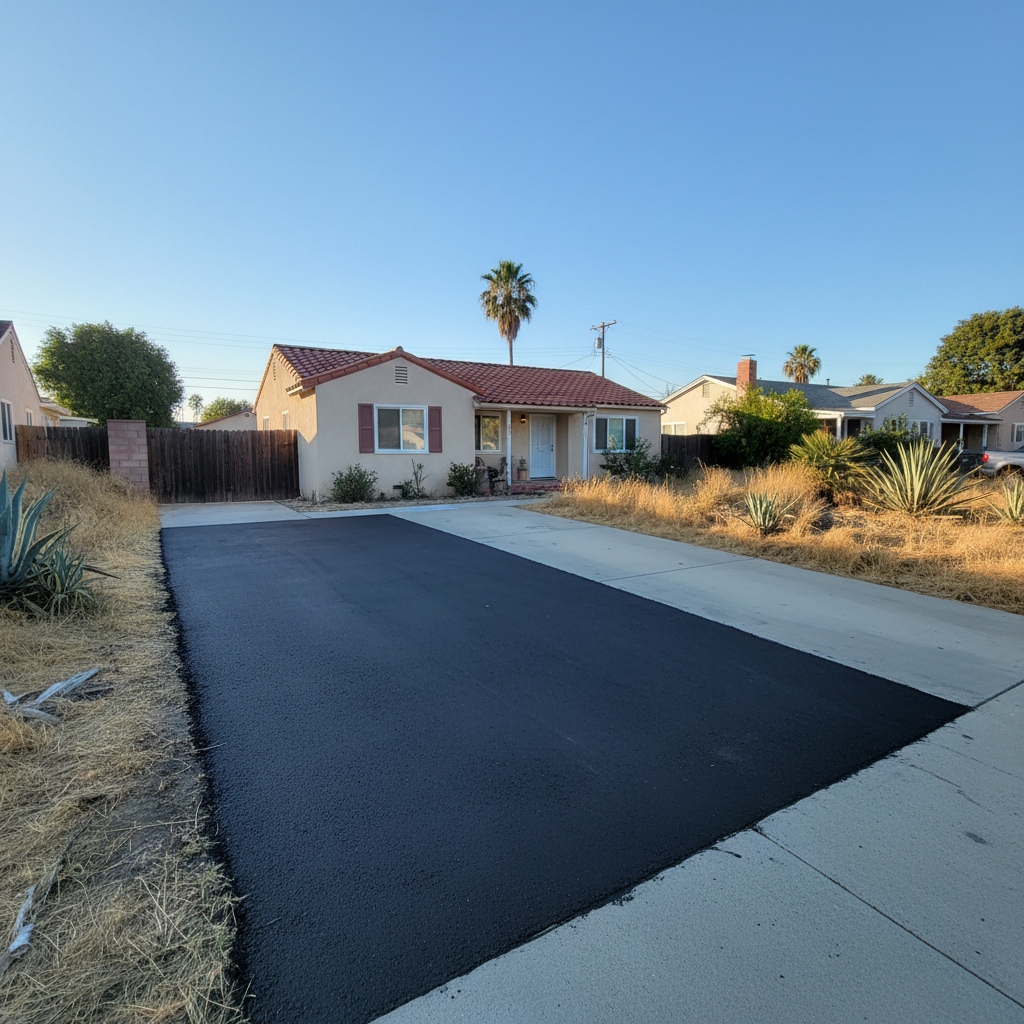
Alright, so you need some asphalt work done, maybe on your driveway, a parking pad, or even a small private road right here in Inglewood. That's great! But before you just pick the first name you stumble upon online or jump at the cheapest bid, let's chat about how to find a contractor who'll actually do the job right. I've been in this business for a long time, and believe me, I've seen it all. Here's what you really need to know to protect yourself and make sure you get quality work.
What Should You Ask Any Contractor?
Once you've got a few contractors lined up, don't be shy. Ask them these questions. Their answers, or lack thereof, will tell you a whole lot.
How long have you been in business? This isn't just about how old they are; it's about their experience. Someone who's been around for, say, a decade or more has definitely seen different kinds of problems and various soil conditions — especially with some of the older homes near the Forum, where the ground might have settled unevenly over time. They've got a real track record, you know?
Can you give me references from recent jobs? And I mean *recent*. Don't just take their word for it. Pick up the phone and call those people. Ask if the work finished on time, stayed within budget, and if they were truly happy with the quality. Oh, and ask if they cleaned up properly too.
Are you licensed and insured? This part is absolutely non-negotiable. For asphalt work in California, contractors must be licensed by the CSLB (Contractors State License Board) under the C-12 Earthwork and Paving classification. And they absolutely, positively need general liability insurance and workers' compensation. If they don't have these, you're just opening yourself up to huge liability if someone gets hurt on your property or if something goes sideways with the job.
What's your warranty? A good contractor stands behind what they do. Most will offer at least a one-year warranty on both materials and workmanship. Make sure you get that in writing.
What's your process for this specific job? Make them explain it, step by step. From site prep, to grading, to the type of asphalt mix they'll use, to compaction. A solid contractor will be able to walk you through every single step without even a moment's hesitation.
What to Look For in a Quote
Don't just compare the final number. A quote needs to be detailed. If it's just a scribble on a napkin, honestly, just walk away. Here's what a solid quote should include:
Detailed Scope of Work: It should clearly spell out exactly what they're going to do. Is it removal and replacement? Just an overlay? How many inches of asphalt? What about grading, drainage, or the base material? Every single step should be listed out.
Materials Specified: What kind of asphalt mix are they planning to use? Hot mix? Cold mix? What size aggregate? This really matters for how long it'll last.
Timeline: When will they start? When will they finish? What are the key milestones they're aiming for?
Payment Schedule: A reputable contractor won't ask for 100% up front. Typically, you'll pay a deposit (often 10% or a set amount, whichever is less, by California law for residential projects), then make progress payments, and a final payment once you're completely satisfied. Never pay that final amount until you're genuinely happy with the work.
Permits: Does your project need a city permit? If so, who's responsible for pulling it? Usually, it's the contractor, and the cost should either be included or clearly itemized.
Clean-up: Make sure the quote states they'll remove all debris and leave the site spotless.
Red Flags You Can't Ignore
These are like flashing lights, really. If you spot any of these, consider it a clear sign to look somewhere else.
Unsolicited Door-to-Door Offers: Someone knocks on your door saying they just finished a job down the street and happen to have leftover material? Big nope. This is a classic scam. The material is often inferior, they'll do a shoddy job, and then poof — they're gone.
Cash Only Deals: A contractor who only wants cash is probably trying to dodge taxes, and chances are they don't have insurance or a license either. You'll have absolutely no recourse if things go wrong, which they often do in these situations.
High-Pressure Sales Tactics: