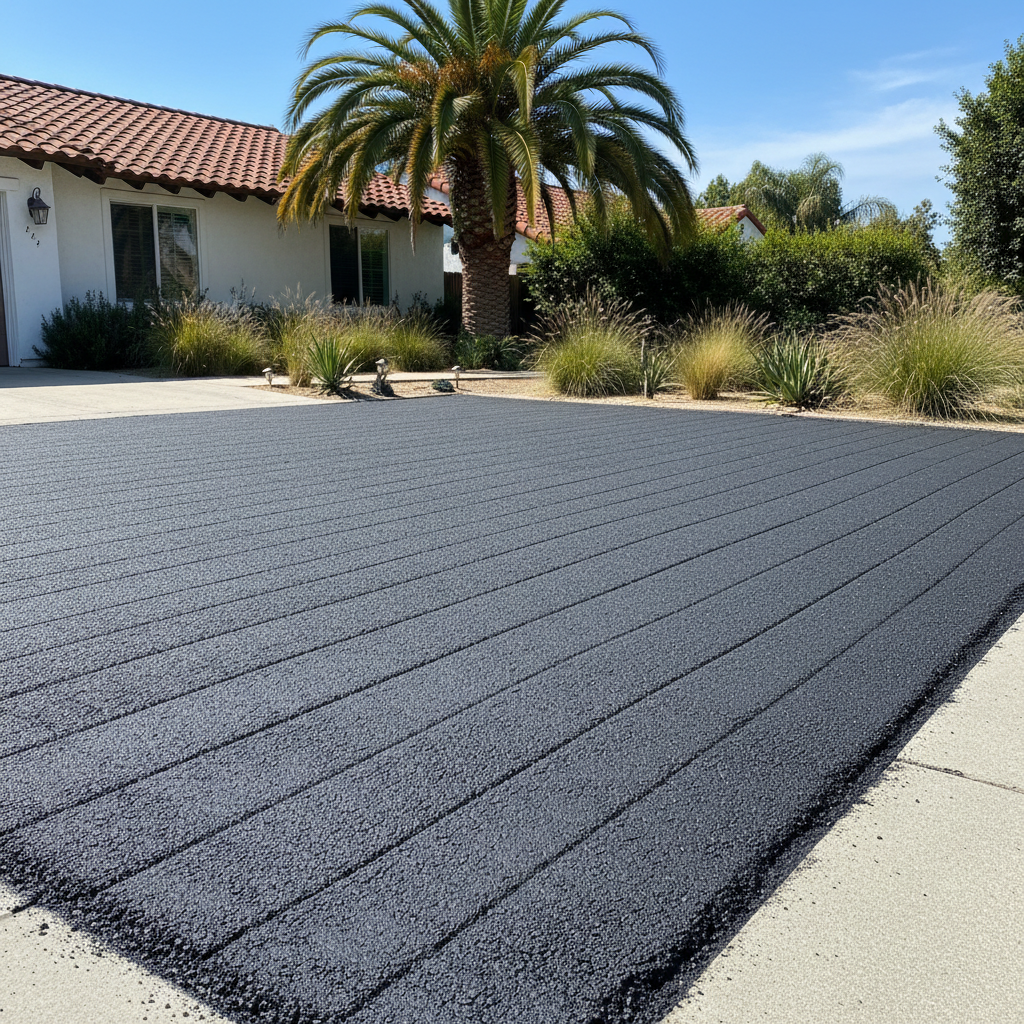
So, you've put money into asphalt milling for your property right here in Inglewood. Maybe it was for a parking lot, a private road, or even just a really long driveway. Milling is a smart move, especially when you're looking to resurface without completely ripping everything out. It saves you money and it's better for the environment, but like any good investment, it needs a little TLC to really pay off long-term. I've seen plenty of milled surfaces around here, from the busy commercial strips near the Forum to the quieter residential streets up by Ladera Heights, and trust me, keeping up with maintenance is crucial.
Making Your Milled Surface Last Longer
When we mill asphalt, we're basically shaving off the old, damaged top layer of pavement, leaving a fresh, rough surface behind. This new surface usually gets covered with fresh asphalt. How long that new top layer lasts — and by extension, your whole milled and repaved area — really comes down to a few things. First off, good drainage is a huge deal. We don't get a ton of rain here in Southern California, but when it does hit, it can really come down. If water just sits on your pavement, it'll eventually find its way into cracks, expand and shrink with temperature changes, and generally cause a mess. Make sure you deal with any low spots or places where water collects right away. If you've got a good slope for runoff, well, you're already ahead of the game.
Another big factor is traffic. Heavy trucks, constant turning, and a lot of vehicles passing through really stress any asphalt surface. If you've got spots with particularly heavy traffic, think about reinforcing those areas during the initial paving, or just keep a closer eye on them for wear. Things like garbage trucks or delivery vehicles can really pound a surface over time, you know?
Regular Maintenance: What You Actually Need to Do
Okay, so what does "regular maintenance" actually look like for a milled and repaved surface? It's not rocket science, but it does mean being consistent.
- Keep it Clean: Sounds easy, right? But things like leaves, dirt, and gravel can trap moisture against the pavement, which leads to it breaking down. Plus, sharp objects can cause damage. A quick sweep or blow-off regularly helps a lot.
- Crack Sealing: This is probably the most important thing you can do. The moment you spot a crack, even a tiny hairline one, get it sealed. Cracks are basically an open invitation for water to sneak under your pavement, and once water's in there, it's a slippery slope to potholes and much bigger headaches. Here in Inglewood, with our warm days and cooler nights, asphalt expands and contracts, which can open up those tiny cracks. Sealing them keeps water out and stops them from growing.
- Sealcoating: While milling gives you a fresh surface, sealcoating adds an extra layer of protection against UV rays, water, and chemicals like oil and gas. We don't usually do it right after milling and paving, but it's a fantastic way to add a few years to the life of that new top layer down the road. Think of it like sunscreen for your asphalt.
Warning Signs of Trouble
You don't have to be an asphalt expert to spot problems. Your pavement will definitely tell you when it's not feeling well. Here are some things to keep an eye out for:
- New Cracks: We just talked about these, didn't we? Any new cracks, especially ones that are spreading or connecting, are a big red flag.
- Potholes: These usually pop up when unsealed cracks let water get underneath and erode the base. If you see a pothole, it needs attention right away before it gets bigger and causes damage to cars or people.
- Raveling: This happens when the aggregate (those small stones) starts pulling away from the asphalt binder, making the surface look rough and crumbly. It's a sign the binder is breaking down, often from age or sun exposure.
- Fading or Discoloration: While this isn't always a structural issue, a graying surface means the asphalt binder is oxidizing from UV exposure. This makes the pavement more brittle and more likely to crack. It's a pretty good sign that sealcoating might be due.
- Standing Water: If you notice puddles hanging around after it rains, that means you've got drainage issues or depressions in your pavement. You need to fix this to prevent water damage.
When to Call a Professional
Listen, you can handle sweeping and keeping an eye out for problems, but some things are just better handled by the pros. You should definitely call someone like us at Inglewood Asphalt Construction when:
- You see a lot of cracking, especially "alligator cracking" which looks just like a reptile's skin. That usually means the base layer is failing.
- Potholes are forming quickly or are larger than a dinner plate.
- You have significant raveling over a big area.
- There are noticeable dips or humps in your pavement, which points to problems with the sub-base.
- Water consistently pools in certain areas, and you can't fix it with simple cleaning.
- You're thinking about sealcoating or need professional crack sealing done right.
Don't wait until a small problem turns into a huge, expensive headache. A little proactive maintenance really goes a long way in keeping your milled and repaved surfaces strong and looking good for years to come. It’s always cheaper to fix a small issue than to replace an entire section of pavement, right?