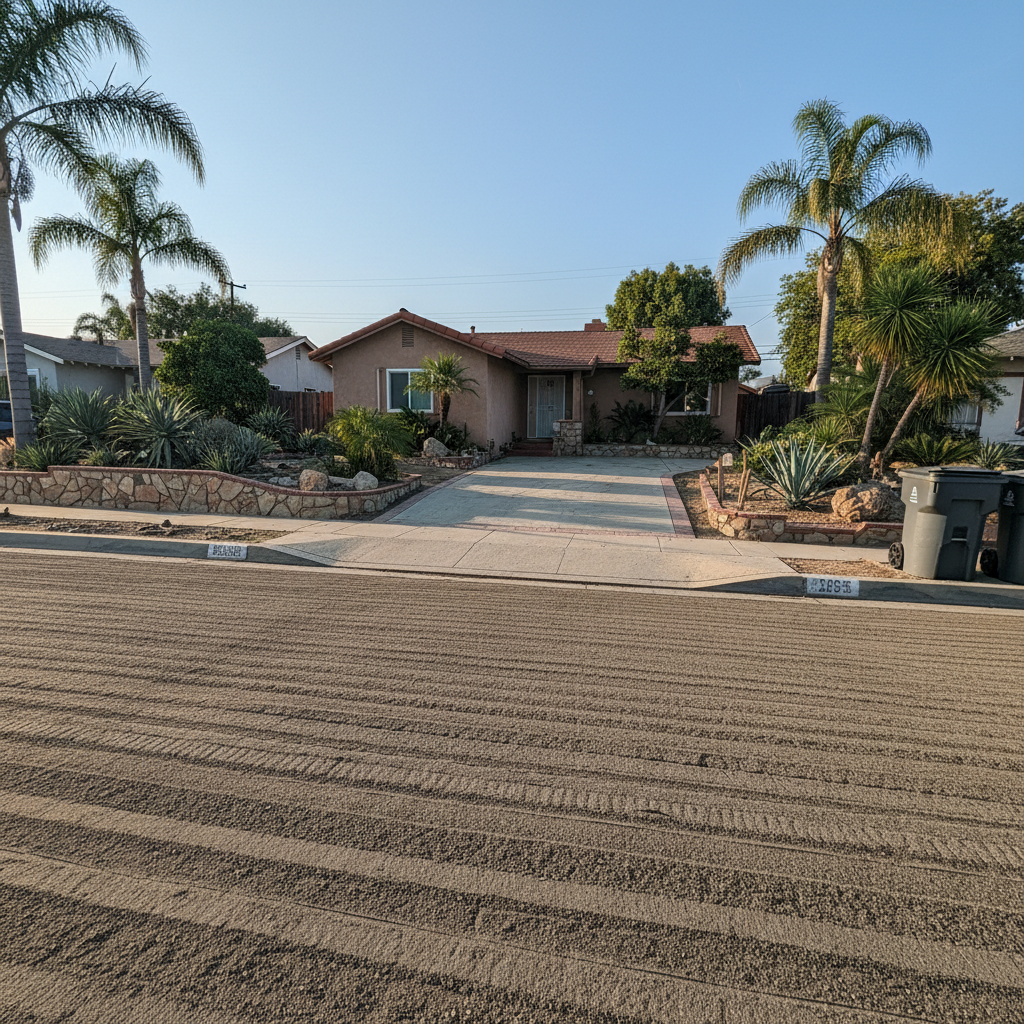
If your driveway looks like a patchwork quilt of cracks and ruts, asphalt milling is likely needed. Here around Inglewood, our weather is mostly friendly, but it still throws a few challenges at asphalt. When you are looking at removing that old top layer, timing matters more than many people think. The local climate affects asphalt milling directly and property owners need to know how to get the job done right in Inglewood, CA.
Why Inglewood Climate Dictates Milling Schedules
Inglewood Asphalt Construction does not have to deal with freezing winters here in Southern California, which is a major benefit for pavement. Inglewood Asphalt Construction does see those intense coastal-influenced temperature swings and baking summer heat that dries out petroleum binders. If your driveway has high spots, severe alligator cracking, or poor drainage pooling near your garage, asphalt milling off the damaged top couple of inches is usually the best move before laying down fresh material. Inglewood Asphalt Construction always looks at how the sub-base is holding up beneath that surface layer.
Property owners want to avoid scheduling major asphalt milling and repaving projects during the dead of summer when the asphalt gets too soft under heavy equipment tracks. On the flip side, even though our winters are mild, morning moisture and shorter days can slow down curing times. Spring and early autumn are usually the best times for Asphalt Milling in Inglewood.
What Weather Conditions Actually Matter
- Temperature: Extremely hot days make the milled edges crumbly instead of clean.
- Moisture: Even a light drizzle can ruin the bond for the new tack coat after asphalt milling.
- Sun exposure: South-facing driveways bake faster and need careful temperature monitoring.
Protecting Your Milled Surface Year-Round
Once you have completed asphalt milling down the old pavement, do not leave it exposed to the elements for too long. Traffic and occasional rain can break down the exposed aggregate base. Get that fresh layer of asphalt laid down promptly, and make sure you set up a routine maintenance plan. Sealcoating every 3 to 5 years keeps the sun from stripping away the oils, which is the number one enemy of pavement longevity in the Inglewood area.