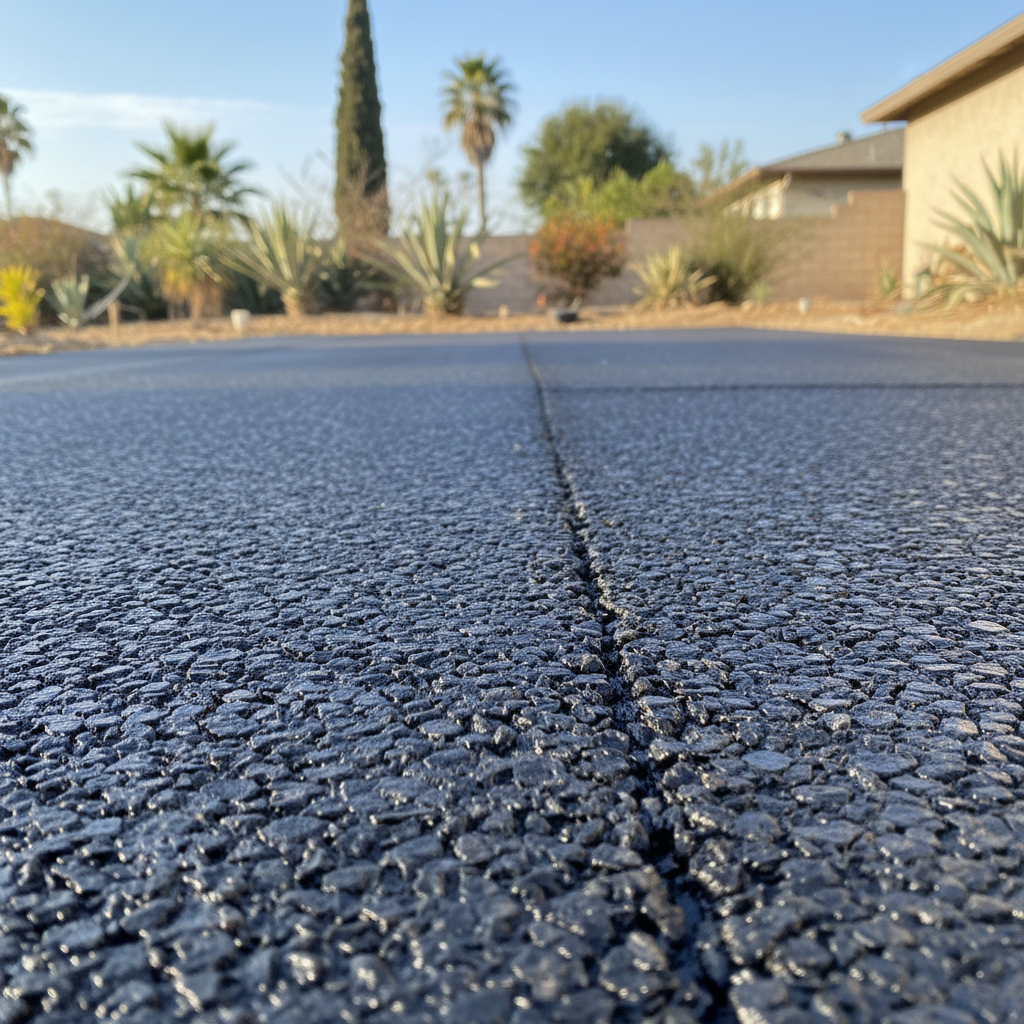
Thinking About Paving a Parking Lot at Home?
Alright, so you're looking at that patch of dirt or gravel next to your house and thinking, "You know what? I could really use a proper parking spot there." Maybe you've got a growing family, or you just want to keep the cars off the street. Whatever the reason, paving a parking lot at home, even a small one, is a bigger job than most folks realize. I've seen a lot of these projects, good and bad, across Inglewood, from the single-family homes near Edward Vincent Jr. Park to the bigger lots in the commercial zones.
This isn't about patching a pothole; we're talking about building something that'll last. And trust me, you want it to last, especially with our hot California sun and the occasional heavy rain that can really mess with a poorly laid surface.
Before You Even Think About Shoveling
First things first: planning. This is where you save yourself a ton of headaches and money down the line.
Check Your Local Rules: Don't skip this. Inglewood has zoning ordinances and setback requirements. You can't just pave right up to your property line or over certain utility easements. Call the city's planning department. It's a quick call that can prevent a costly tear-out later.
Know What's Underneath: Is it just dirt? Is there old concrete? Tree roots? You need to know. Dig a small test hole if you have to. If you're near older homes, sometimes you'll find old foundations or buried debris. This stuff impacts drainage and stability.
Drainage, Drainage, Drainage: I can't stress this enough. Water is asphalt's worst enemy. You need to plan for proper drainage. Where will the water go when it rains? You don't want it pooling on your new lot or, worse, running into your neighbor's yard or your foundation. A slight slope is usually necessary. This is often the first thing that gets messed up on DIY jobs.
Budget Realistically: Asphalt isn't cheap, and neither is the prep work. Factor in excavation, base material, the asphalt itself, and compaction equipment. Don't forget potential costs for permits or professional help.
What You Can DIY (and What You Really Shouldn't)
Look, I'm all for homeowners getting their hands dirty. There are parts of this job you can absolutely tackle yourself, especially if you're handy and have some time.
DIY-Friendly Tasks:
Clearing the Area: Removing grass, weeds, small bushes, or old gravel. You can rent a small bobcat or just get a good shovel and some strong friends.
Marking Out: Use stakes and string or spray paint to clearly define your parking lot's boundaries and slopes. This helps with excavation and ensures you stay within your property lines.
Minor Excavation: If you're only going down a few inches to establish your base, and you don't hit any major obstacles, you can probably handle this with rented equipment or some serious elbow grease.
When to Call a Pro (Seriously, Call Us):
Significant Excavation: If you need to dig down a foot or more, or if you're dealing with a lot of rock, old concrete, or tree roots, you need heavy machinery and someone who knows how to operate it safely and efficiently. This is where Inglewood Asphalt Construction comes in handy.
Grading and Drainage Design: This is critical. Getting the slope just right for proper water runoff is a science. Too steep, and cars slide; not steep enough, and you get puddles. A professional will use surveying tools to ensure correct grades.
Base Preparation: The base layer (usually compacted aggregate) is the foundation of your parking lot. If it's not laid correctly and compacted thoroughly, your asphalt will crack and fail prematurely. Pros have the right compactors and know the proper layer thicknesses for our local soil conditions.
Asphalt Laying and Compaction: This is the big one. Laying hot asphalt requires specialized equipment (pavers, rollers) and a crew that knows how to work quickly and precisely before the asphalt cools. You can't just pour it out of a bucket. Improper compaction leads to soft spots, ruts, and a short lifespan. This is definitely not a DIY job for a homeowner.
During the Project: What to Expect from a Pro
If you hire us, here's a quick rundown of what we'll do:
Site Prep: We'll handle all the excavation, grading, and ensure the sub-base is stable.
Base Layer: We'll lay down and compact the right amount of aggregate base material, making sure it's level and sloped correctly for drainage.
Asphalt Application: We'll bring in the hot asphalt mix and apply it evenly, typically in one or two layers depending on the traffic it'll see. Then we'll compact it with heavy rollers to achieve maximum density and a smooth finish.
After the Paving: Maintenance is Key
Once your new parking lot is down, your job isn't over. A little maintenance goes a long way in extending its life.
Curing Time: Stay off it! Fresh asphalt needs time to cure. We'll tell you exactly how long, but generally, it's a few days before you should drive or park on it.
Keep it Clean: Sweep away dirt, leaves, and debris regularly. This prevents organic matter from breaking down on the surface and causing issues.
Watch for Spills: Oil, gas, and other chemicals can degrade asphalt. Clean up spills immediately.
Sealcoating: This is your parking lot's sunscreen. About a year after installation, and then every 2-3 years, you should apply a sealcoat. It protects the asphalt from UV rays, water penetration, and extends its life significantly. This is something you can probably do yourself on a small lot, but make sure you follow the product instructions carefully.
Crack Sealing: If you see small cracks appear, seal them quickly. Don't let water get into the base layer. You can buy crack filler at hardware stores and apply it yourself.
A well-built and maintained asphalt parking lot can last 15-20 years, even longer. But it all starts with good planning and knowing when to call in the experts. Don't cut corners on the foundation or the actual paving; that's where the real longevity comes from. If you're in Inglewood and have questions, or you're ready to get a quote, give us a shout. We're here to help you get it right the first time.