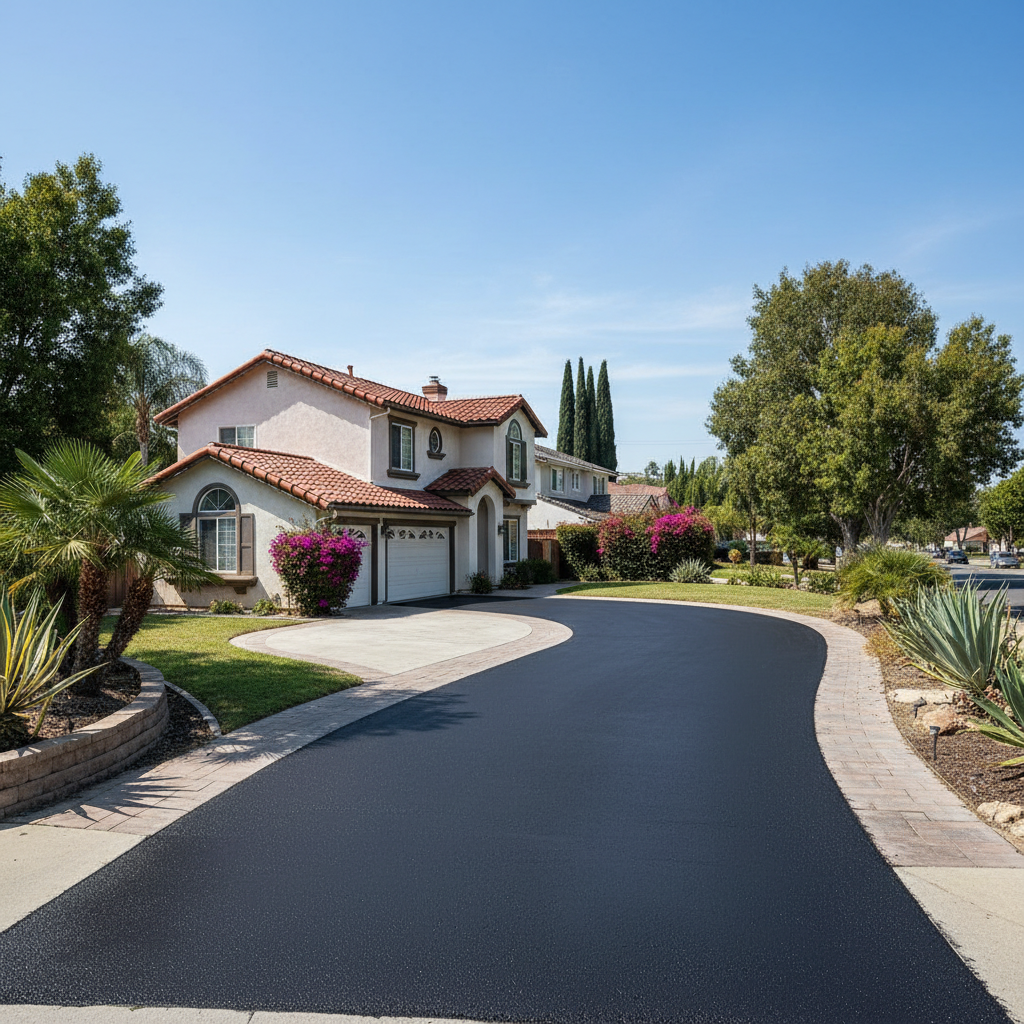
So, you've invested in sealcoating your driveway or parking lot here in Inglewood. Smart move. It's one of the best ways to protect your asphalt from our intense California sun and everyday wear and tear. But getting it done is only half the battle. To really get your money's worth and keep that surface looking good and performing well, you've got to maintain it. It's not rocket science, but there are a few things you should know.
Extending Your Sealcoat's Life: The First Few Weeks Are Key
The first 24 to 48 hours after sealcoating are crucial. I can't stress this enough. Stay off it completely. No cars, no foot traffic, no pets. Let it cure. If you drive on it too soon, you'll leave tire marks, and those don't just magically disappear. They're there for good until the next sealcoat. After that initial cure, try to avoid sharp turns with your car for the first week or so. Our Inglewood summers can get pretty hot, and that heat can make the fresh sealcoat a bit softer for a while, especially in direct sunlight. Sharp turns can scuff it up.
You'll also want to keep an eye on sprinklers. Make sure they're not constantly spraying your newly sealed surface. Consistent water saturation can break down the sealcoat faster than it should, especially in those first few weeks.
Regular Maintenance: What You Can Do
Once your sealcoat has fully cured, regular maintenance is pretty straightforward. Think of it like taking care of a nice car – a little attention goes a long way.
- Keep it Clean: Sweep off dirt, leaves, and debris regularly. This isn't just about looks; grit and small stones act like sandpaper under tires, slowly wearing down the sealcoat.
- Address Spills Immediately: Oil, gas, and other automotive fluids are sealcoat killers. If you see a spill, clean it up right away. Use an absorbent material like cat litter or sawdust, let it soak, then sweep it away. Don't let it sit and penetrate.
- Trim Overhanging Branches: If you have trees over your driveway, keep them trimmed. Falling sap and leaves can stain and break down the sealcoat over time. Plus, it keeps your surface cleaner.
- Watch for Weeds: Weeds love to push through cracks. Pull them as soon as you see them. If they get established, their roots can widen small cracks, leading to bigger problems.
Warning Signs: When to Pay Closer Attention
Your sealcoat will tell you when it needs attention. You just have to know what to look for. Don't wait until it's a major issue.
- Fading Color: The rich black color that makes your asphalt look so good will start to fade over time. When it looks more gray than black, it's a sign the sealcoat is wearing thin and losing its protective qualities.
- Surface Cracks: Small, hairline cracks are the first sign of trouble. They let water penetrate the asphalt base, which is bad news, especially with our occasional heavy rains that can saturate the ground. Catching these early means you can fill them before they become potholes.
- Potholes or Depressions: If you're seeing actual potholes, you've waited too long. But even small depressions where water collects are a problem. That standing water will accelerate deterioration.
- Loose Aggregate: If you're seeing small stones or gravel coming loose from the asphalt surface, it means the binder (which the sealcoat protects) is failing.
Here in Inglewood, with our specific soil conditions – sometimes expansive clays – cracks can develop from ground movement too, not just sun damage. So, keep an extra close eye on those.
When to Call a Professional
You can do a lot of the day-to-day maintenance yourself, but there are times when you need to bring in the pros. That's where Inglewood Asphalt Construction comes in.
- Every 2-4 Years for Re-Sealcoating: Generally, you should plan to re-sealcoat every two to four years, depending on traffic and sun exposure. If you see significant fading or widespread hairline cracks, it's time. Don't push it too long; waiting five or six years means the asphalt underneath is taking a beating.
- Cracks Wider Than a Quarter-Inch: You can often handle small crack filling yourself, but if cracks are getting wider than about a quarter-inch, or if you have a lot of them, you need professional crack sealing. We use commercial-grade hot-pour crack filler that's much more durable than anything you'll find at the hardware store.
- Potholes or Significant Deterioration: If you have actual potholes, major depressions, or large areas of crumbling asphalt, that's beyond sealcoating. You're looking at patching or even a partial overlay. Get us out there to assess the damage before it spreads.
- Drainage Issues: If water is consistently pooling on your asphalt after rain, that's a drainage problem that needs to be addressed. It's not just an aesthetic issue; it significantly shortens the life of your pavement.
Taking care of your sealcoated asphalt isn't a huge chore, but it's important. A little proactive maintenance now saves you a lot of money and headaches down the road. Keep an eye on it, and if you're ever unsure, just give Inglewood Asphalt Construction a call. We're happy to take a look and give you an honest assessment.